
01
Tear-off & deck inspection
Old roof completely removed down to the deck. Sheathing inspected for rot, damage, or improper attachment — replaced or repaired before any new material goes down.
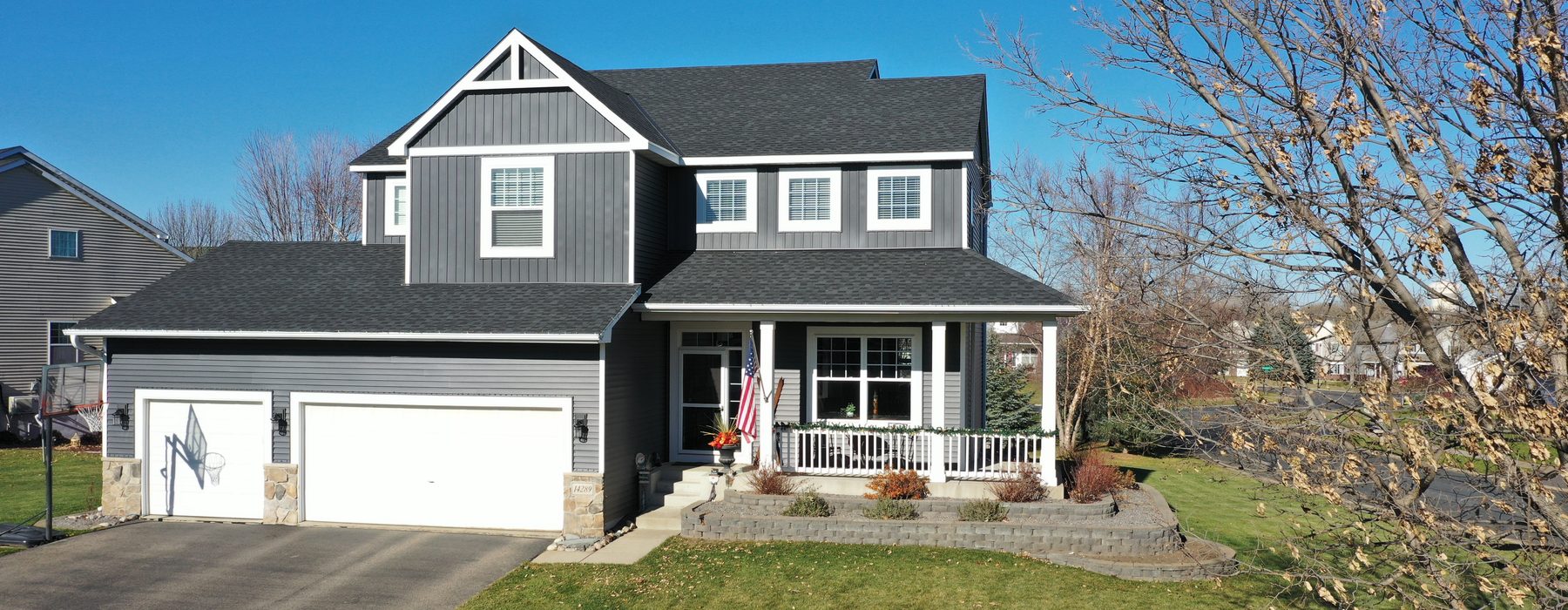
Full roof replacements done right the first time. Architectural shingles, proper underlayment, ice and water shield where it matters, and ridge ventilation that keeps the attic working as designed.
A roof installation done well is invisible — you don't think about it again until it's time for the next one. A roof installation done poorly creates problems within the first few years: granule loss, leaks at flashing, ice dams in winter. Most premature roof failures we see come from compromises during installation, not material failure.
We don't skip the unsexy parts. Ice and water shield gets installed where it belongs (eaves, valleys, around penetrations) at the right widths. Underlayment is properly lapped. Ridge vent isn't cut narrower than spec to save labor. The flashing details around chimneys, dormers, and pipe boots get the same attention as the field shingles. That's where roofs fail.
Every project quote is itemized. Here's what tends to be in scope on a typical project.
Old roof completely removed down to the deck. Sheathing inspected for rot, damage, or improper attachment — replaced or repaired before any new material goes down.
Drip edge installed at eaves and rakes. Ice and water shield installed at eaves to at least 24" inside the warm wall, plus all valleys and around penetrations.
Synthetic underlayment across the field, properly lapped. We don't use 15-pound felt anymore — synthetic is more durable, lighter, and handles moisture better during installation.
Architectural-grade shingles installed to manufacturer spec — proper exposure, nail count, and pattern. Ridge ventilation cut to spec width and properly capped.
Step flashing at walls, counter flashing where applicable, chimney flashing renewed or rebuilt. Pipe boots replaced as part of every roof — old ones rarely survive the next decade.
Magnetic sweep of the property for nails, gutters cleaned of debris, manufacturer warranty registered in your name.
A typical asphalt shingle replacement on a 2,500–3,500 sq ft home is usually a one-day job, weather permitting. Larger or more complex roofs — multiple peaks, dormers, steeper pitches — can run two to three days. We don't start a tear-off if the weather forecast doesn't support completing the work.
For asphalt architectural shingles on a typical 2,500 sq ft single-family home, $12,000–$22,000 depending on roof complexity, layers being removed, and any deck repair required. Steeper pitches, multiple stories, and complex rooflines add to the price. Every quote we send is itemized.
Sometimes — depends on the cause of the damage. Storm damage (hail, wind) is typically covered; normal wear-out from age is not. We can do a free hail damage inspection and document what's there so you can decide whether to notify your insurer. If we end up doing the work, we can answer technical questions for your adjuster on scope or materials.
Not strictly, but we recommend having someone available the morning of the tear-off to walk through the property with us, confirm any details, and answer questions if we find unexpected deck damage. You can leave for the rest of the day.
A few details now and we can have a written estimate scheduled for next week. We respond to inquiries within one business day.
Complete the form and we’ll be in touch within one business day.