
01
Leak source diagnosis
Most frame damage is downstream of a water leak. We trace the leak — flashing, caulking, siding, or roof — and identify the root cause before quoting the repair.
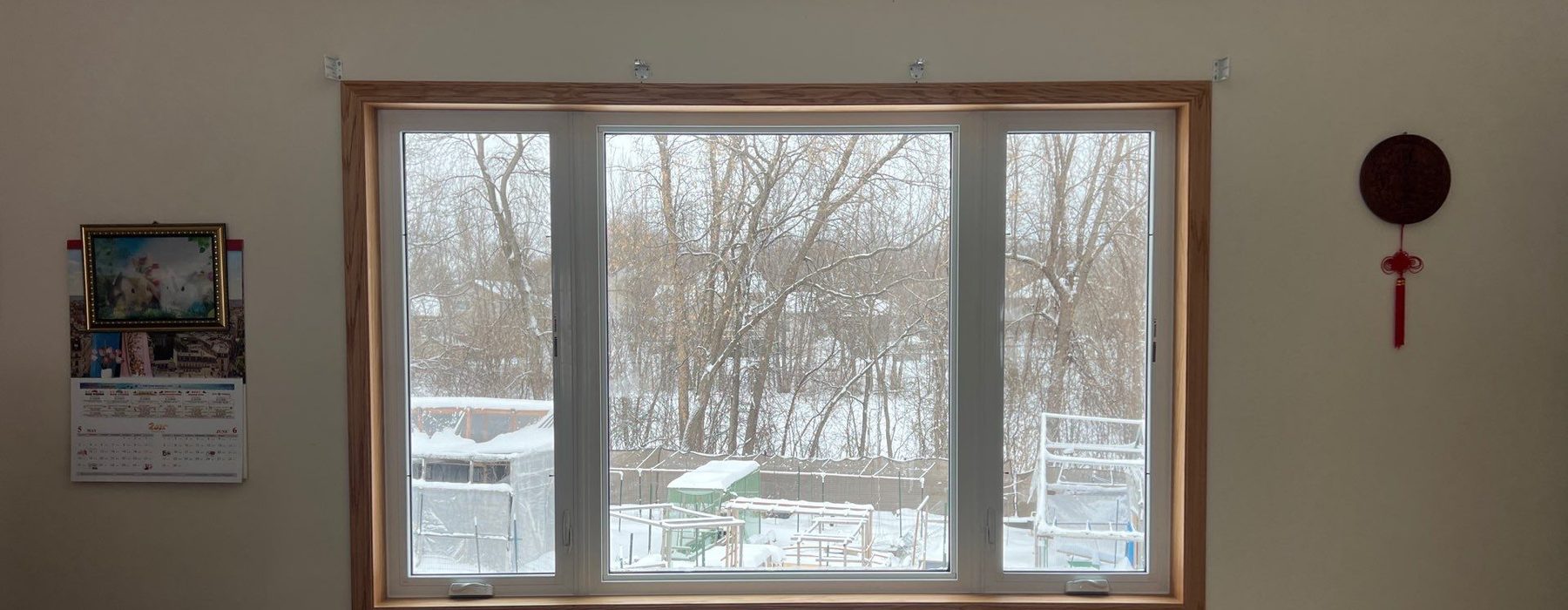
Rotted sills, water-damaged framing, and failed flashing — repaired before they become full window replacements. Honest assessments of when repair makes sense and when replacement is the better call.
Most window frame problems start as small water leaks that go undetected for years. By the time interior trim shows damage, the framing behind it has often been deteriorating for some time. The repair scope depends entirely on how far the damage has progressed — sometimes a sill replacement and re-flashing is enough; sometimes the whole opening needs to be rebuilt.
We don't sell a frame repair as a quick fix when the underlying problem is going to recur. If a window is leaking because the original flashing was wrong, we'll re-flash properly even if it adds scope. If the framing is too far gone, we'll recommend a full window replacement with proper flashing — and quote both options so you can decide.
Every project quote is itemized. Here's what tends to be in scope on a typical project.
Most frame damage is downstream of a water leak. We trace the leak — flashing, caulking, siding, or roof — and identify the root cause before quoting the repair.
Surface rot can hide deeper structural issues. We inspect the framing, sheathing, and surrounding wall to understand the full scope of damage before opening anything up.
Removing only what's necessary to access the damage. Interior trim is preserved where possible, exterior siding cut along clean lines for easier replacement.
Rotted sills, jambs, and studs replaced with treated lumber. Sheathing and weather barrier repaired where damaged. Proper flashing installed to prevent recurrence.
Existing window reinstalled if salvageable; otherwise replaced. We'll quote both options and let you decide — repair often makes more financial sense than people expect.
Exterior trim and siding restored, interior trim reinstalled, all seals reapplied. We document the repair so you have a record if water issues recur.
Common signs: paint peeling or bubbling near the window, soft or spongy wood when pressed at the sill, visible cracks in caulking, water staining on interior trim, drafts even with the window closed, or condensation forming on the wall around the window. If you see two or more of these, get it inspected before winter.
Usually, but not always. A simple sill repair might run a few hundred dollars; a full opening rebuild can approach the cost of a window replacement. We quote both options on every estimate so you can see the math. If you're planning to replace the window soon anyway, sometimes it makes sense to skip the repair and replace now.
If the underlying leak is fixed, yes — properly executed repairs with treated lumber and correct flashing should last decades. If the repair is done without addressing the source of the water, the damage will recur. We're explicit about which we're doing on every job.
Often yes. If the window itself is in good shape, we can pull it, repair the framing, and reinstall the same window with new flashing and sealants. This makes sense particularly for high-quality or custom windows that would be expensive to replace.
A few details now and we can have a written estimate scheduled for next week. We respond to inquiries within one business day.
Complete the form and we’ll be in touch within one business day.